Where are BCI electrodes usually implanted?
The brain is divided into the cerebrum, the cerebellum, and the brainstem. The cerebrum is usually chosen as the site for BCI electrode implantation.
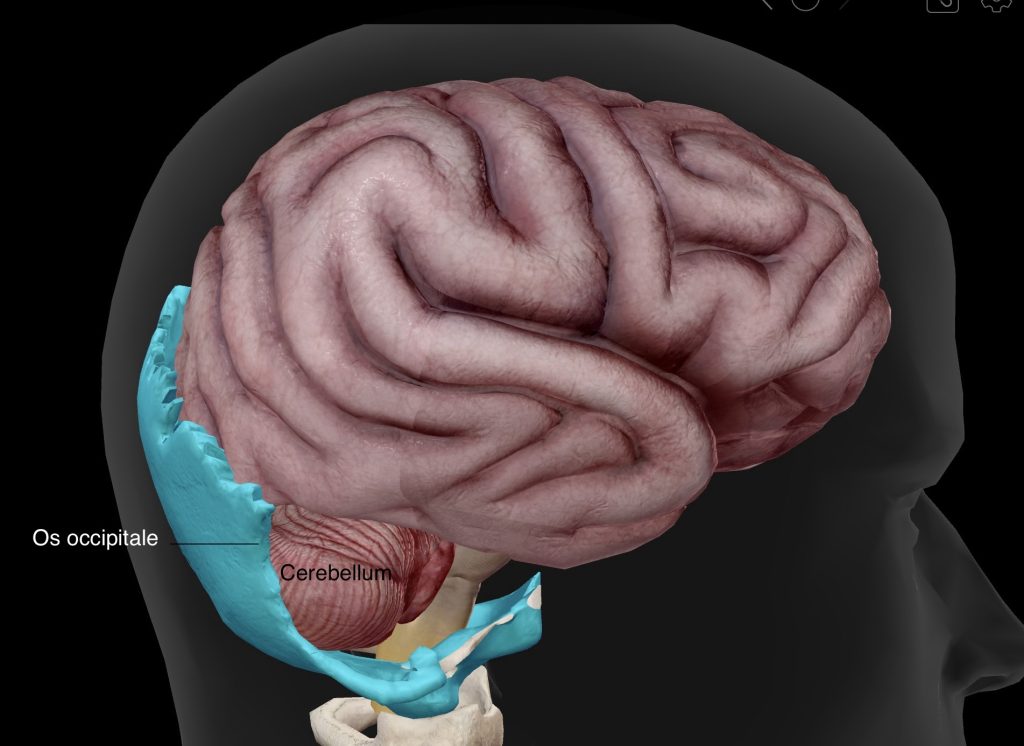
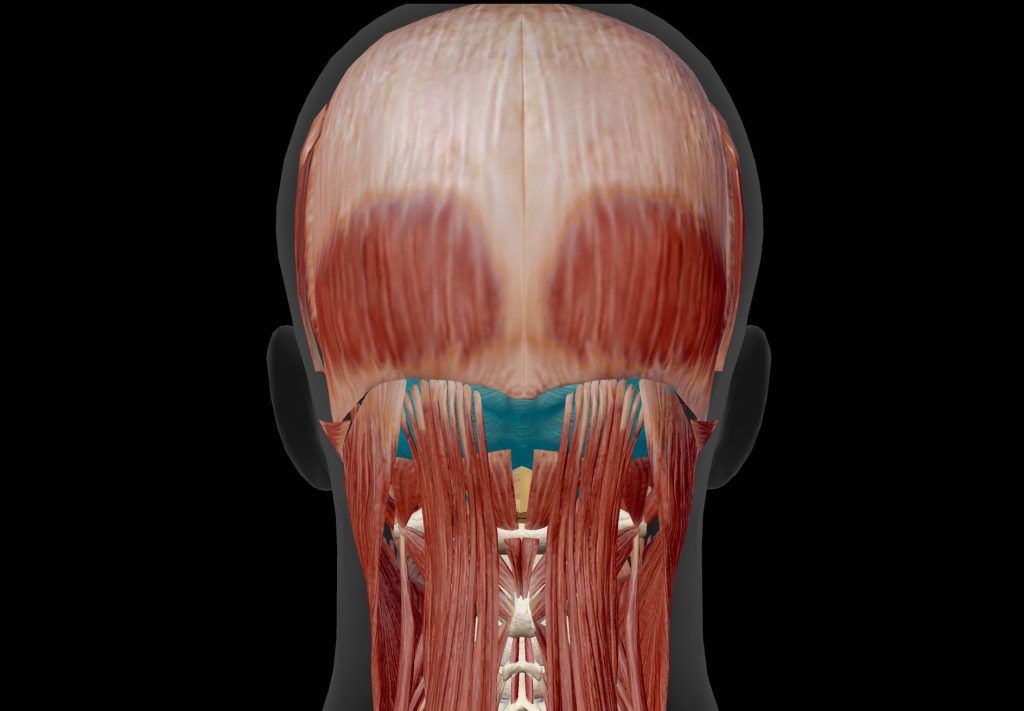
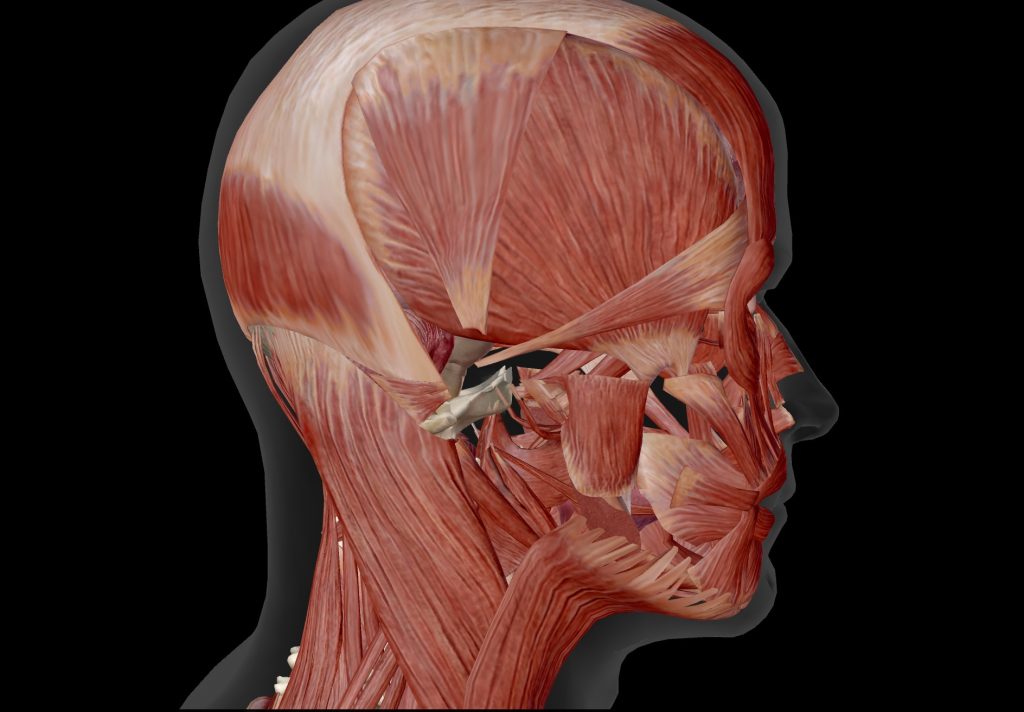
The cerebellum, located under the cerebrum, is covered by the occipital bone, the hardest and most irregular bone in the skull. The occipital bone is covered by the suboccipital muscles which are dense and highly vascularized, increasing surgical risk.
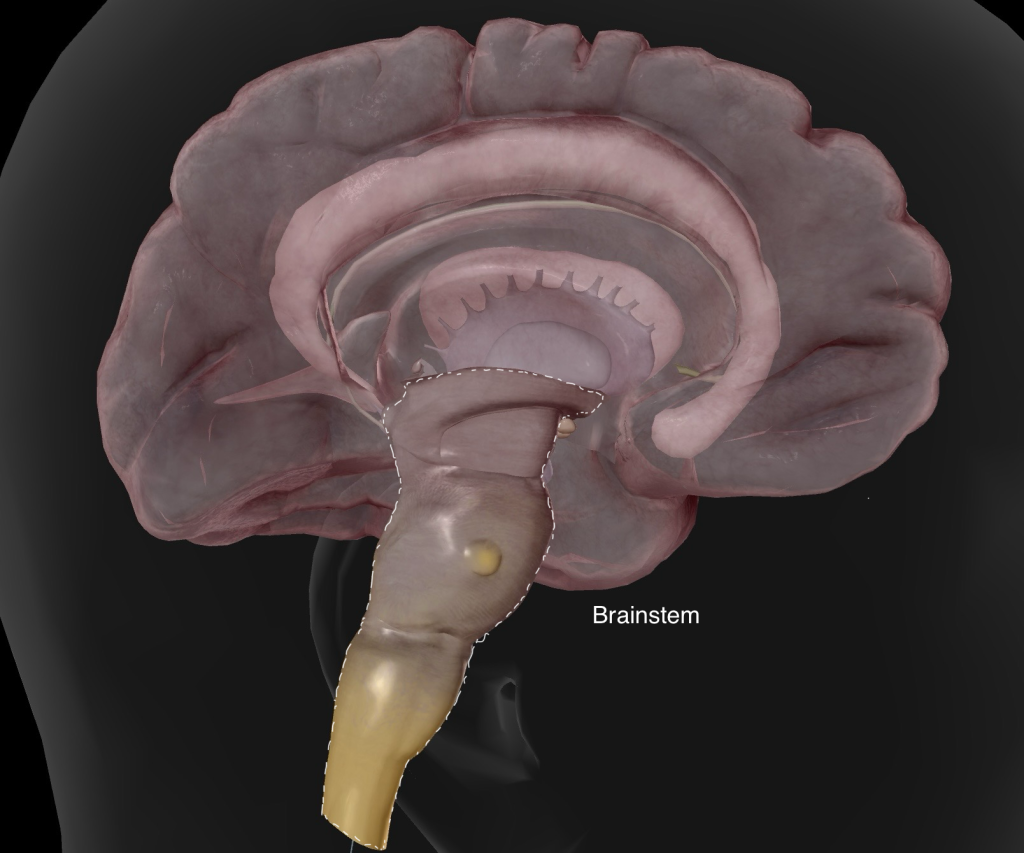
The brainstem is covered by both the cerebrum and the cerebellum as the vital center (respiration, heartbeat, etc.), which carries high surgical risk.
The cerebrum has different cortices representing different functions and craniotomy in this area involves minimal blood loss.
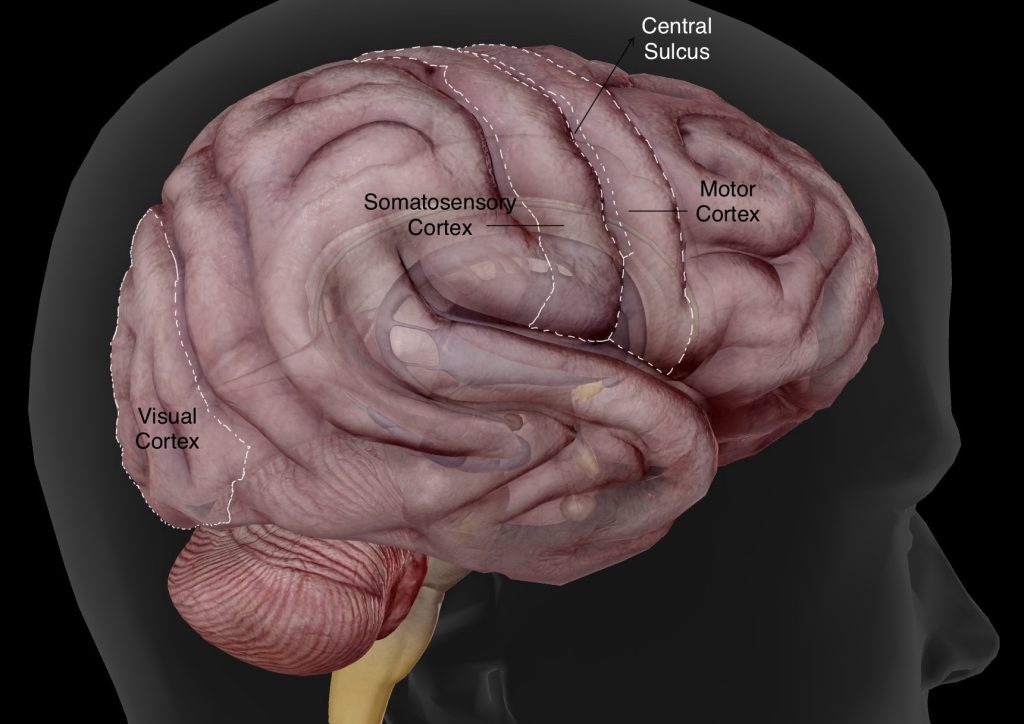
- Motor Cortex: control by mind – for restoring motor function in paralyzed patients.
- Somatosensory Cortex: provides sensory feedback to coordinate with the motor cortex.
- Visual Cortex: for the restoration of visual perception, which may help restore vision for blind individuals.
- Central Sulcus: an important position for BCI as it lies between the motor and somatosensory cortices.
So the cerebrum is the safest and most practical place for BCI implantation while the cerebellum and the brainstem are not safe enough, but that does not mean implantation there is impossible because their complex and basic functions may greatly advance BCI technology.